
"Maragogipe beans"
500 article(s) found
Introduction of mixed-race Pacamara, Durai and Kaddura Coffee from El Salvador
The grading standard of Salvadoran coffee is based on the altitude of planting, the highest grade is SHG: more than SHG:Strictly High Grown-1200 meters, more than HG:High Grown-900 meters, and more than CS:Central Standard-600 meters. Introduction to Pacamara: Pacamara varieties are artificially cultivated varieties of Pacas and Maragogipe. 1958 by Salva

Very soft El Salvador Coffee Manor Flavor and Taste introduction to Mercedes Manor
The grading standard of Salvadoran coffee is based on the altitude of planting, the highest grade is SHG: more than SHG:Strictly High Grown-1200 meters, more than HG:High Grown-900 meters, and more than CS:Central Standard-600 meters. Introduction to Pacamara: Pacamara varieties are artificially cultivated varieties of Pacas and Maragogipe. 1958 by Salva

The sour and sweet fruits of El Salvador Pacamara boutique coffee beans are cultivated in geographical location.
El Salvador's unique high-grade variety Pacamara, Pacamara is a sudden variation of the bourbon species found by Pacas Pacas- in El Salvador and a hybrid with the giant bean Maragogype, a sudden variant of the Tibica species found in Brazil. Pacamara is the artificial breeding variety of Pacas and Maragogipe. 1958 by Salva

Fragrant, pure Salvadoran black honey treated coffee beans flavor description manor taste variety characteristics
Flavor description of coffee beans treated with El Salvador black honey the characteristics of manor taste varieties are introduced that Pacamara varieties are artificially cultivated varieties of Pacas and Maragogipe. It was first cultivated by researchers in El Salvador in 1958. Pacamara is a rare excellent variety under artificial breeding, which is better than blue, which perfectly inherits the advantages of the mother plant, and has the excellent mouth of Pacas species.

Description of the flavor of Salvadoran coffee beans with a long afterrhyme introduction to the production area of grinding scale manor
Description of the flavor of Salvadoran coffee beans with a long aftertaste Pacamara varieties are introduced as artificially cultivated varieties Pacas and Maragogipe in grinding scale manor. It was first cultivated by researchers in El Salvador in 1958. Pacamara is a rare excellent variety under artificial breeding, which is better than blue, which perfectly inherits the advantages of the mother plant, and has the excellent mouth of Pacas species.

Grinding scale of Salvadoran coffee beans introduction to the taste manor of the regional treatment method of coffee beans in El Salvador
El Salvador boutique coffee is concentrated in the volcanic rock producing areas of Santa Ana in the west and Charantanan fruit in the northwest. The top 10 cup tests in recent years almost all come from these two producing areas, with an elevation of about 9-1500 meters, mainly bourbon (68%), followed by Pacas (29%). Mixed-race Pacamara, Dulaai and Kaddura only account for Pacas and Mara.

Introduction to the characteristic flavor description of El Salvador Pacamara coffee beans
Description of characteristic Flavor of El Salvador Pacamara Coffee Variety Pacamara is an artificially cultivated variety of Pacas and Maragogipe. It was first cultivated by researchers in El Salvador in 1958. Pacamara is an excellent variety under rare artificial breeding, which is better than blue, and perfectly inherits the advantages of the mother plant. It has the excellent taste of Pacas.

A brief introduction to the cultivation of El Salvador boutique coffee beans with balanced taste, geographical location, climate and altitude
The grading standard of Salvadoran coffee is based on the altitude of planting, the highest grade is SHG: more than SHG:Strictly High Grown-1200 meters, more than HG:High Grown-900 meters, and more than CS:Central Standard-600 meters. Introduction to Pacamara: Pacamara varieties are artificially cultivated varieties of Pacas and Maragogipe. 1958 by Salva

A brief introduction to the Market Price of Coffee varieties in El Salvador, once the fourth largest Coffee producer in the World
The grading standard of Salvadoran coffee is based on the altitude of planting, the highest grade is SHG: more than SHG:Strictly High Grown-1200 meters, more than HG:High Grown-900 meters, and more than CS:Central Standard-600 meters. Introduction to Pacamara: Pacamara varieties are artificially cultivated varieties of Pacas and Maragogipe. 1958 by Salva

High-quality coffee beans know coffee raw beans: elephant beans
All kinds of coffee beans have different tastes, but they are almost the same size, but the elephant bean is different, it is three times or more than other coffee beans. The taxonomic name of elephant bean is Maragogipe, which comes from Malagogippe County, Bahia State, Brazil. The taxonomic status of elephant beans was first established in the county in 1870. A hybrid variety of Arabica coffee.

Introduction of boutique coffee beans like bean Elephant bean
All kinds of coffee beans have different tastes, but they are almost the same size, but the elephant bean is different, it is three times or more than other coffee beans. The taxonomic name of elephant bean is Maragogipe (also known as Maragogype), which comes from Malagogippe County, Bahia State, Brazil. The taxonomic status of elephant beans was first established in the county in 1870. Arabica coffee
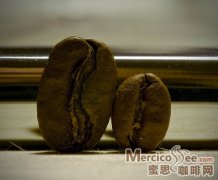
Elephant bean Elephant bean
All kinds of coffee beans have different tastes, but they are almost the same size, but the elephant bean is different, it is three times or more than other coffee beans. The taxonomic name of elephant bean is Maragogipe (also known as Maragogype), which comes from Malagogippe County, Bahia State, Brazil. The taxonomic status of elephant beans was first established in the county in 1870. Arabica coffee
Introduction to coffee beans: elephant beans
All kinds of coffee beans have different tastes, but they are almost the same size, but the elephant bean is different, it is three times or more than other coffee beans. The taxonomic name of elephant bean is Maragogipe (also known as Maragogype), which comes from Malagogippe County, Bahia State, Brazil. The taxonomic status of elephant beans was first established in the county in 1870. Arabica coffee

Know the knowledge of fine coffee, raw beans and elephant beans.
All kinds of coffee beans have different tastes, but they are almost the same size, but the elephant bean is different, it is three times or more than other coffee beans. The taxonomic name of elephant bean is Maragogipe, which comes from Malagogippe County, Bahia State, Brazil. The taxonomic status of elephant beans was first established in the county in 1870. A hybrid variety of Arabica coffee.
Introduction of boutique coffee beans like beans
All kinds of coffee beans have different tastes, but they are almost the same size, but the elephant bean is different, it is three times or more than other coffee beans. The taxonomic name of elephant bean is Maragogipe (also known as Maragogype), which comes from Malagogippe County, Bahia State, Brazil. The taxonomic status of elephant beans was first established in the county in 1870. Arabica coffee

Know another kind of coffee raw bean-elephant bean
All kinds of coffee beans have different tastes, but they are almost the same size, but the elephant bean is different, it is three times or more than other coffee beans. The taxonomic name of elephant bean is Maragogipe (also known as Maragogype), which comes from Malagogippe County, Bahia State, Brazil. The taxonomic status of elephant beans was first established in the county in 1870. Arabica coffee
High-quality coffee like beans in raw beans of coffee
All kinds of coffee beans have different tastes, but they are almost the same size, but the elephant bean is different, it is three times or more than other coffee beans. The taxonomic name of elephant bean is Maragogipe, which comes from Malagogippe County, Bahia State, Brazil. The taxonomic status of elephant beans was first established in the county in 1870. A hybrid variety of Arabica coffee.
Boutique coffee-elephant bean Elephant bean
All kinds of coffee beans have different tastes, but they are almost the same size, but the elephant bean is different, it is three times or more than other coffee beans. The taxonomic name of elephant bean is Maragogipe (also known as Maragogype), which comes from Malagogippe County, Bahia State, Brazil. The taxonomic status of elephant beans was first established in the county in 1870. Arabica coffee

The basic knowledge of Fine Coffee Bean
All kinds of coffee beans have different tastes, but they are almost the same size, but the elephant bean is different, it is three times or more than other coffee beans. The taxonomic name of elephant bean is Maragogipe (also known as Maragogype), which comes from Malagogippe County, Bahia State, Brazil. The taxonomic status of elephant beans was first established in the county in 1870. Arabica coffee
Introduction to the types of boutique coffee beans
All kinds of coffee beans have different tastes, but they are almost the same size, but the elephant bean is different, it is three times or more than other coffee beans. The taxonomic name of elephant bean is Maragogipe (also known as Maragogype), which comes from Malagogippe County, Bahia State, Brazil. The taxonomic status of elephant beans was first established in the county in 1870. Arabica coffee